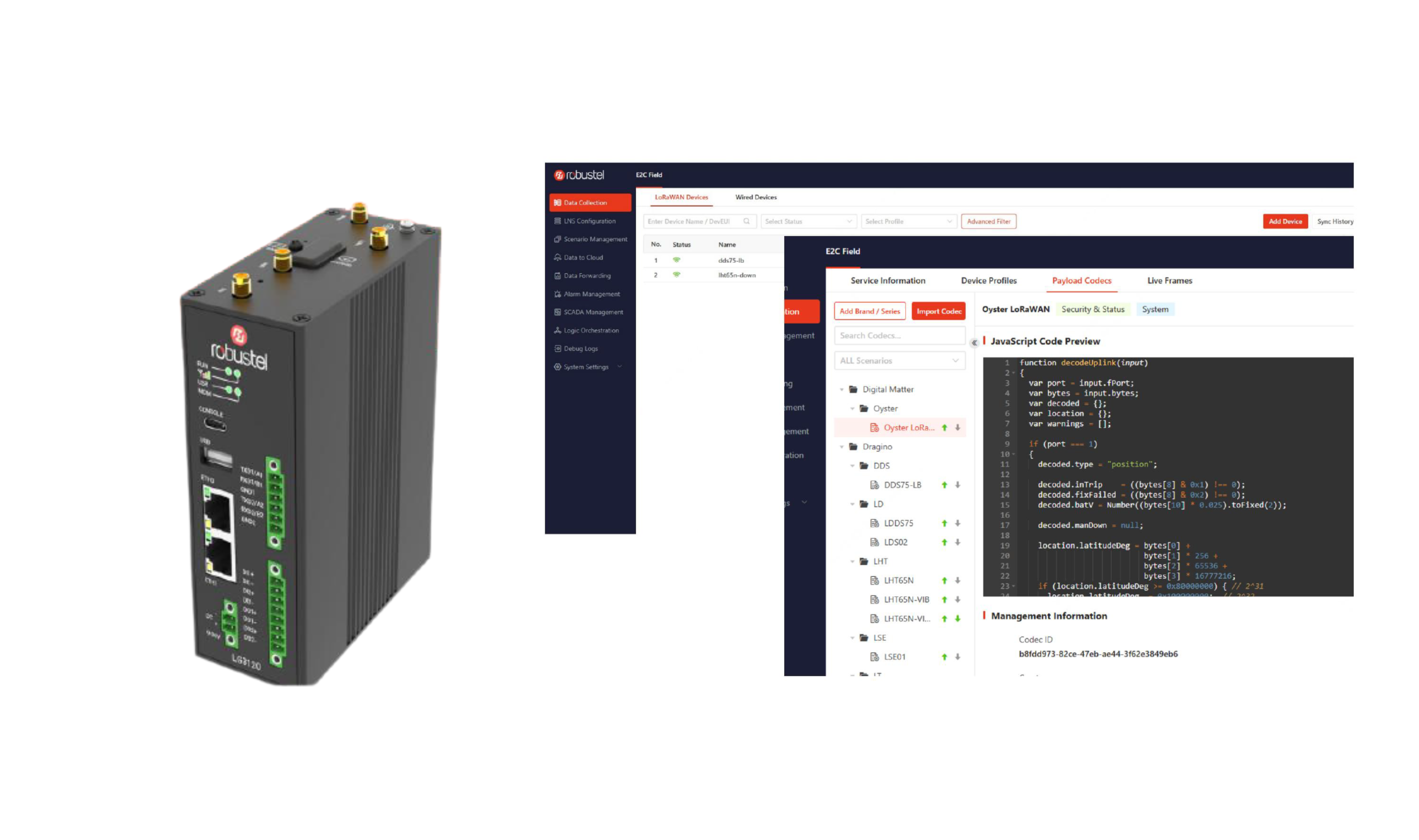




Industrial building energy monitoring without masonry work
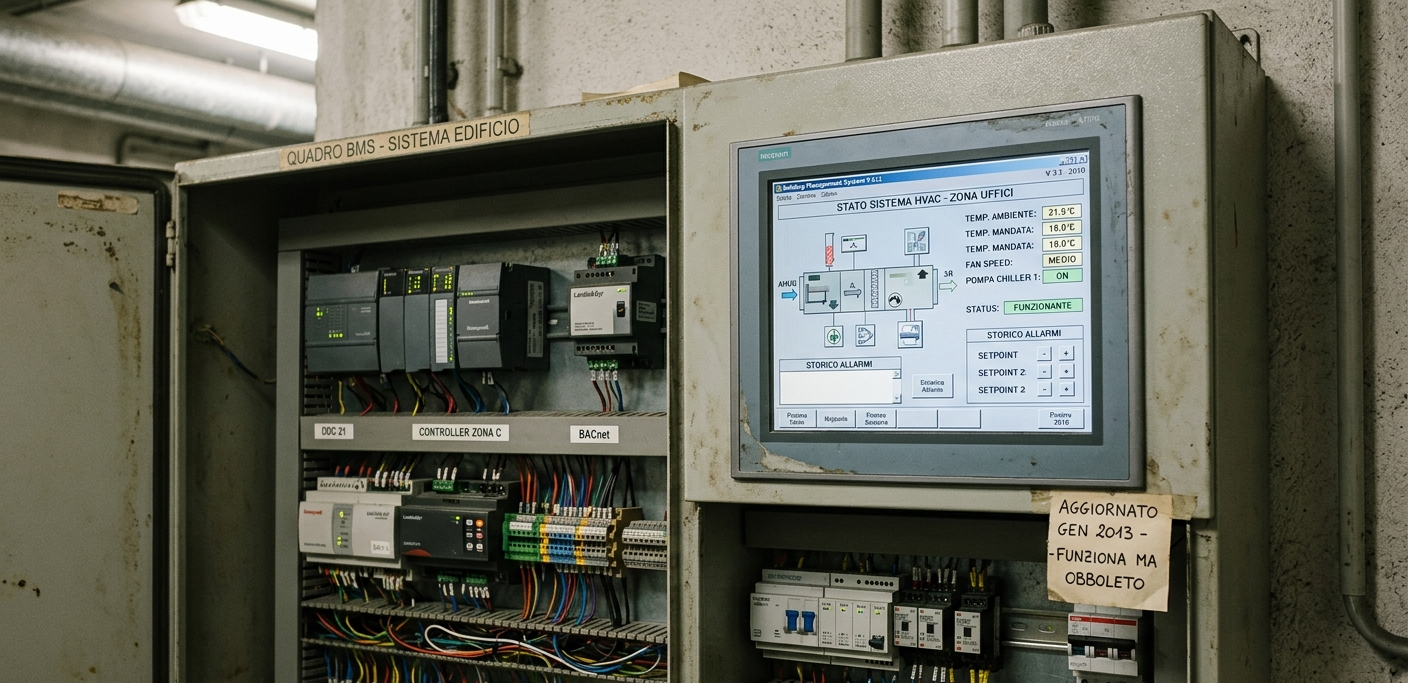
You have an HVAC system that works. A BMS installed years ago that manages HVAC, maybe a few energy meters, perhaps the lights. It costs, but it works.
Then the EPBD Directive arrives — the new European regulation on building energy efficiency — and you realize what you have is no longer enough. You need more measurement points, more data, more visibility into what your building consumes. And someone tells you you need to "upgrade the BMS".
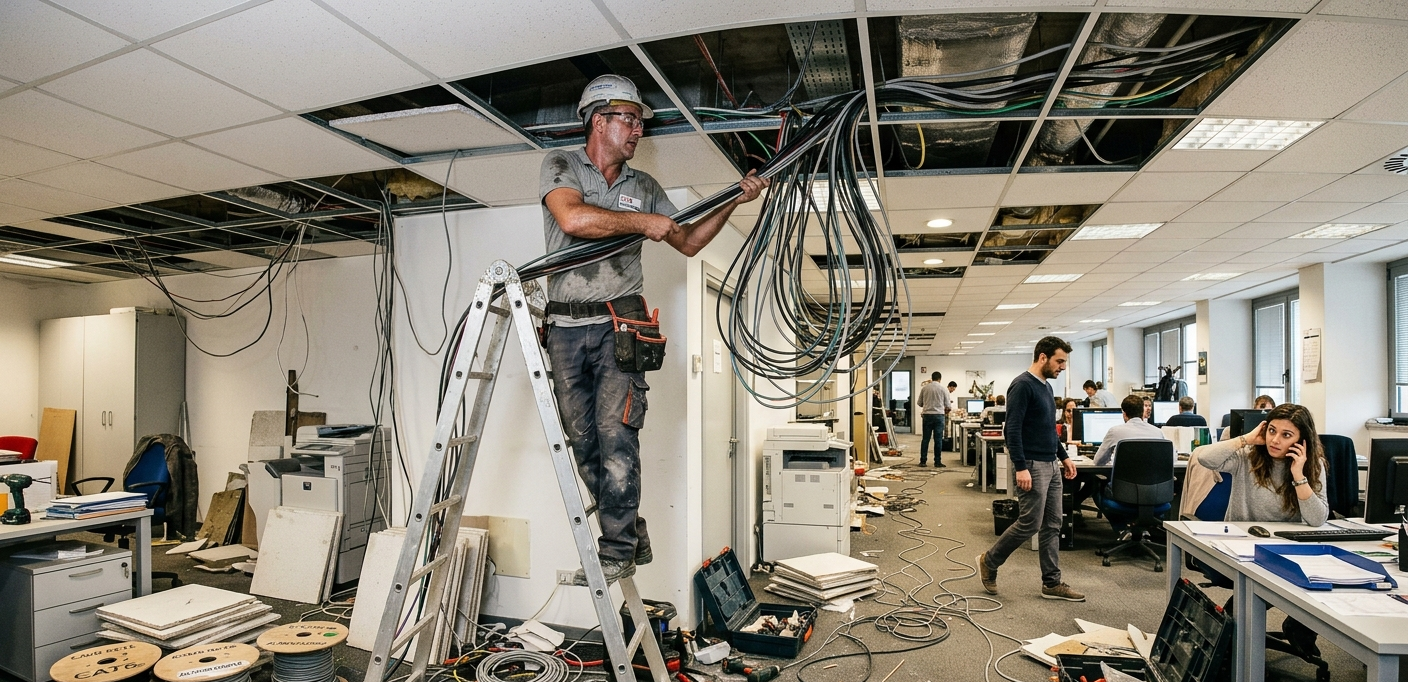
The problem? A traditional BMS upgrade means cables. It means opening suspended ceilings, running conduits, certifying systems. In an operating building — an office, a warehouse, a hotel, a hospital — it means weeks of work, significant costs, and disruption for the people inside.
But there is an alternative that many still don’t know.
The real issue: the data exists, but it doesn’t reach where it’s needed
In a modern commercial or industrial building, the issue is rarely missing systems. The issue is that systems don’t talk.
The BMS runs HVAC via BACnet. Energy meters run on Modbus. New monitoring needs — air quality, room occupancy, warehouse temperature, humidity in production areas — would require new wired sensors with new cables that aren’t there.
Result: fragmented data, blind decisions, and a building that uses more than it should because nobody knows exactly where and when.
What is changing with the EPBD directive
The European Directive on the energy performance of buildings (EPBD, implemented in Italy with gradual updates through 2030) introduces increasingly strict obligations for commercial and industrial buildings:
- SRI (Smart Readiness Indicator): buildings must be able to adapt consumption intelligently, communicate with the power grid, and respond to automated commands.
- Continuous monitoring: a monthly bill isn’t enough. You need the ability to measure consumption in real time and by zone.
- Energy reporting: large companies (and soon mid-sized ones too) must document consumption for audits and ESG certifications.
All this requires sensors. Lots of sensors. Spread throughout the building.
And here the wiring problem opens up — or rather, how to avoid it.
Why traditional wiring isn’t always the answer
Installing a wired sensor in an existing building has a cost that goes well beyond the sensor itself:
- Opening suspended ceilings and walls
- Laying conduits and cables (often involving construction firms, not just electricians)
- System certification
- Cosmetic restoration of surfaces
- Partial downtime of activities during the works
For a building with 50 measurement points spread over multiple floors, wiring costs can be 3-5 times higher than the cost of the sensors themselves.
And in historic buildings, protected or with high-end finishes, it can become simply impossible.
The right question to ask
Before deciding how to modernize a building’s monitoring, the question to ask is not “which sensor do I buy?” but:
“How do I get data from these sensors into my existing BMS, without touching the infrastructure that already works?”
It’s a question many facility managers and technical leads are asking right now. And modern wireless technologies — especially LoRaWAN — are becoming the most convincing answer.
LoRaWAN: not the usual radio
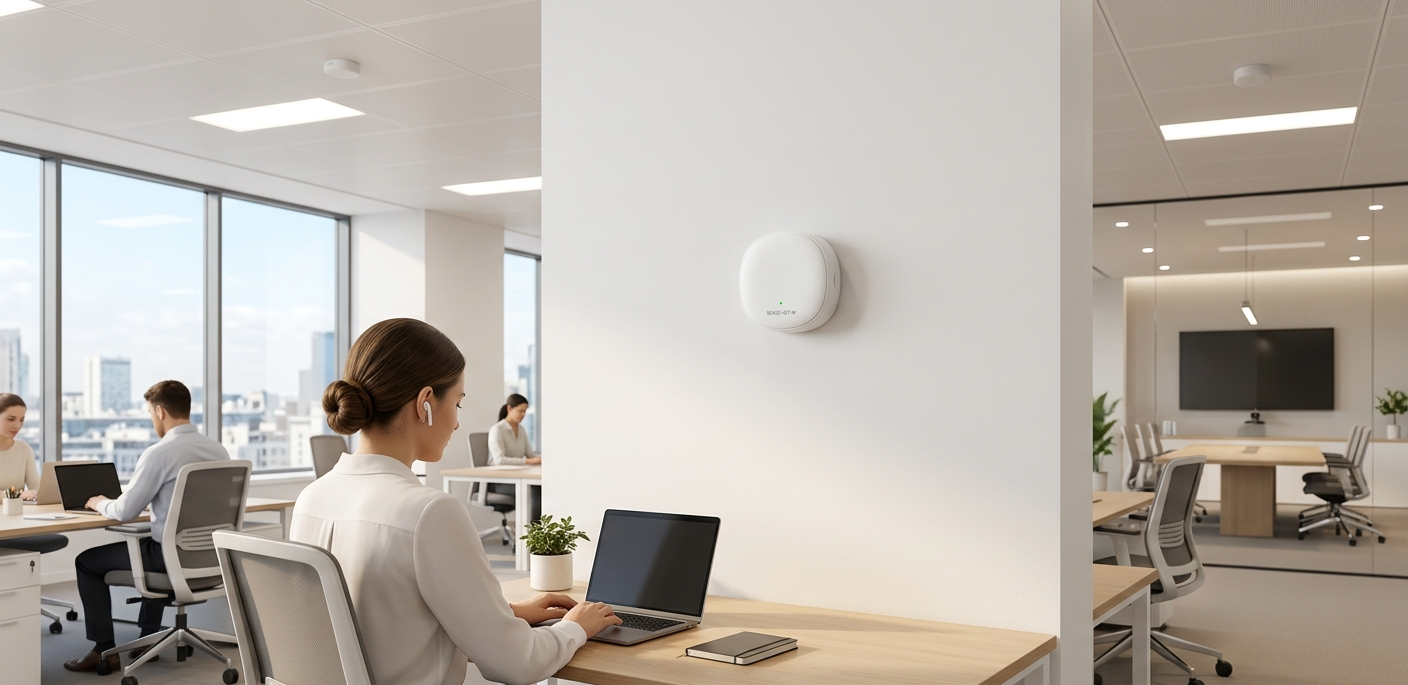
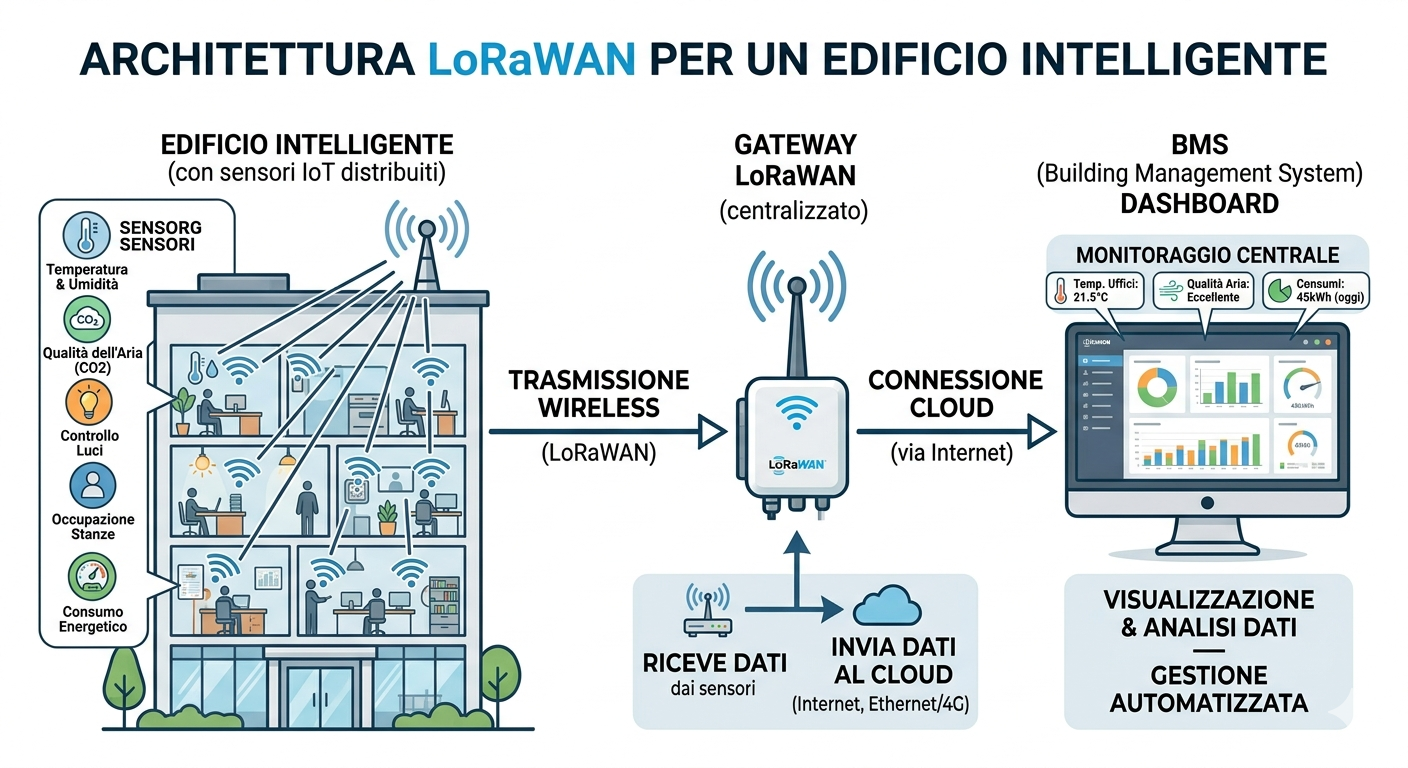
LoRaWAN is a wireless communication protocol designed specifically for industrial IoT. It is not WiFi, it is not Bluetooth, it is not Zigbee. It has features that make it particularly suitable for complex buildings:
- High penetration: it works through concrete slabs, stone walls, deep service shafts. A single gateway can cover a multi-storey building or an entire campus.
- Long battery life: sensors transmit on battery for 5–10 years without maintenance, depending on the transmission frequency.
- Low cost per measurement point: a LoRaWAN sensor costs a fraction compared to a full wired installation.
- Scalability: you add sensors without touching the network infrastructure.
But there is a snag that until recently made LoRaWAN hard to integrate into a traditional BMS context: data arrives in wireless format and the BMS "speaks" BACnet or Modbus. To make the two worlds talk you needed middleware, an extra software layer to install, configure, and maintain.
This snag today is easing — and we’ll talk about it in the next article..
What you can do now
If you manage a commercial or industrial building with an existing BMS and you’re considering how to add measurement points without major works, the first step is a technical site assessment.
In particular, it’s worth understanding:
- Which protocols your current BMS uses (BACnet IP, BACnet MS/TP, Modbus TCP, Modbus RTU)
- How many additional measurement points you would need and where they are physically located
- Whether LoRaWAN wireless coverage is already available in the building or needs to be installed (typically 1–2 gateways cover an entire mid-size building)
With this information in hand, it’s possible to build a wireless monitoring architecture that integrates natively with what you already have — with no construction work, no operational downtime, and a measurable return on investment.
Costruzioni Energetiche provides IoT and LoRaWAN solutions for industrial and commercial buildings. If you want to assess the options for your building, contact us for a free initial consultation.
- Message us on WhatsApp📞 : 338.8239553
- Email📩 : info@costruzionienergetiche.it